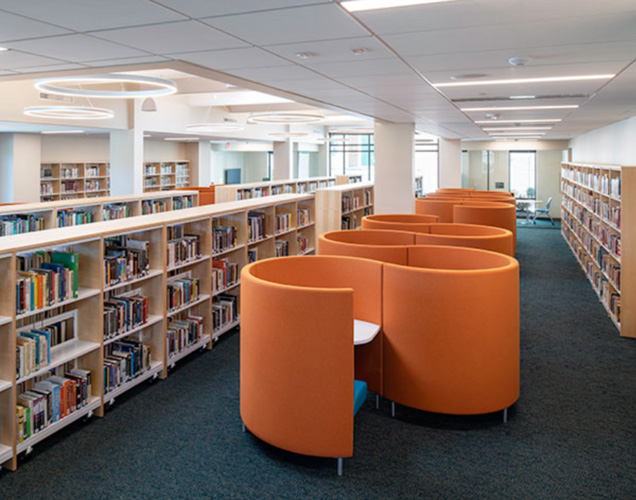
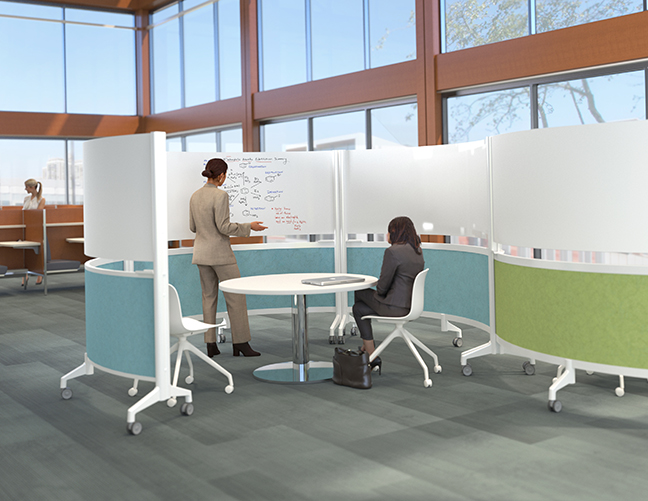
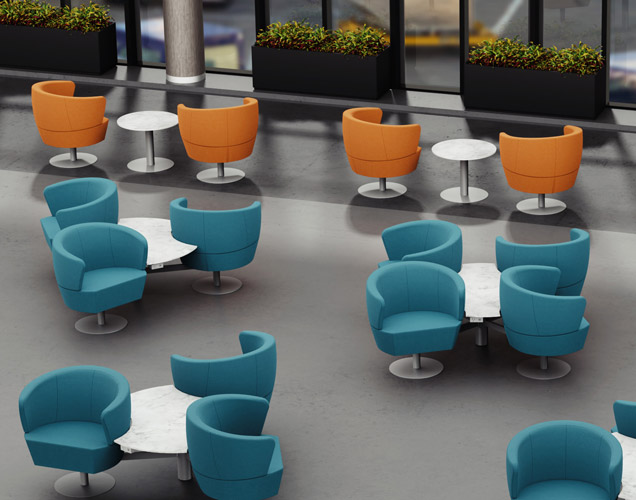
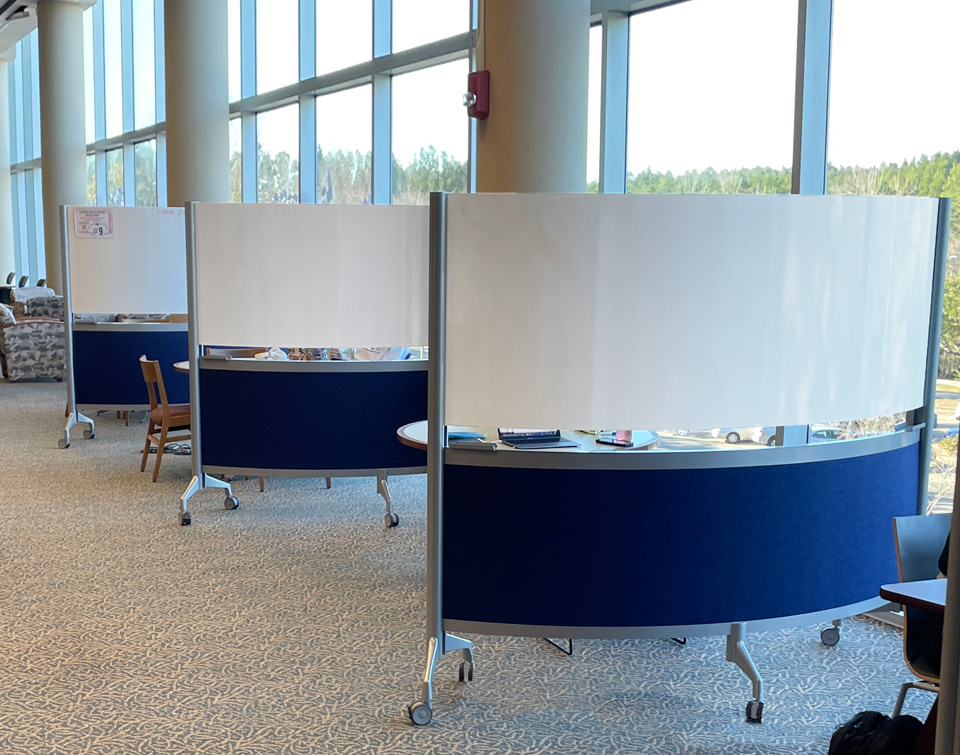
When you’re shaping a university library, a public lobby, or any shared space, one design concept keeps proving itself: the curve. Curved furniture catches the eye, soothes the mind, reduces stress, and encourages people to move and interact naturally.
As a public space designer, you have an opportunity to go well beyond aesthetics. You can create environments that foster mental health, wellness, and a genuine sense of belonging.
This approach to designing for human behavior turns public spaces into welcoming hubs for studying, learning, and connecting. The result is higher use and a better experience for everyone who walks in.
In this article, we’ll look at how curved furniture can do exactly that, with real examples of public spaces transformed into welcoming environments.