Circulation and gate counts grew throughout 2025. Libraries function as essential community hubs that serve far more than books.
As demand increases, so does complexity. Public libraries serve everyone from toddlers to seniors, job seekers to students. Each group has different needs and those needs shift throughout the day.
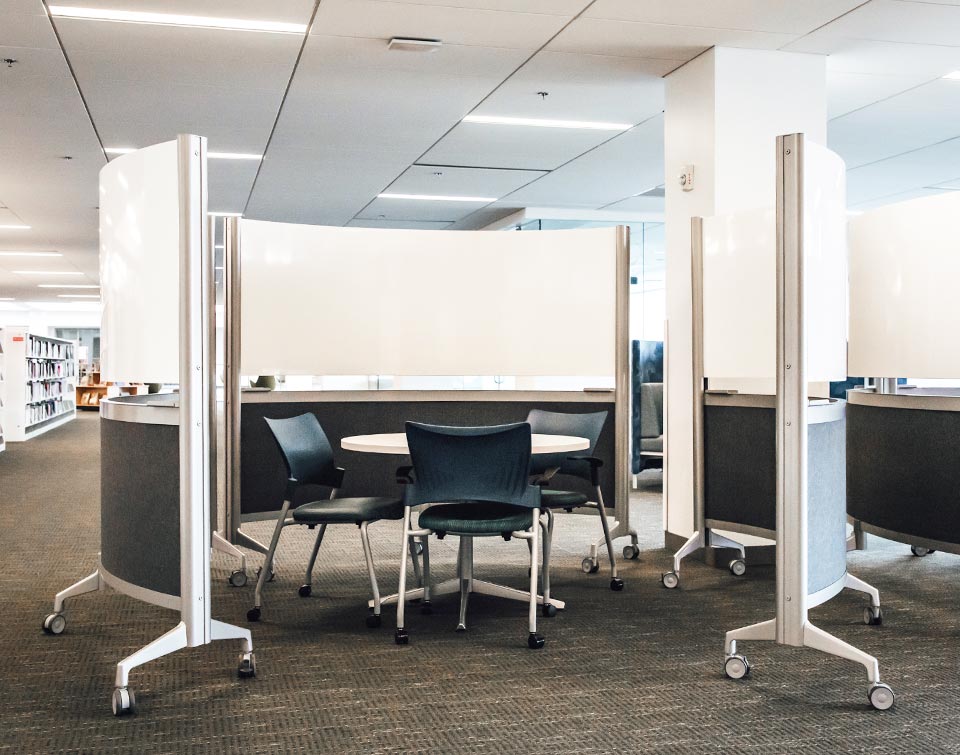
This growth points to two priorities: diversity of product and flexibility. Libraries are moving away from uniform solutions and toward dedicated zones that support specific user groups. These spaces require the adaptability to evolve as community needs change.
This shift is reshaping how libraries think about space, investment, and their role in the communities they serve. What are the public library furniture trends driving change in 2026?
The themes are shaping public library furniture in 2026: higher gate counts, diversity of product and flexibility. In practice, that looks like:
- Dedicated zones for children, teens, and tweens
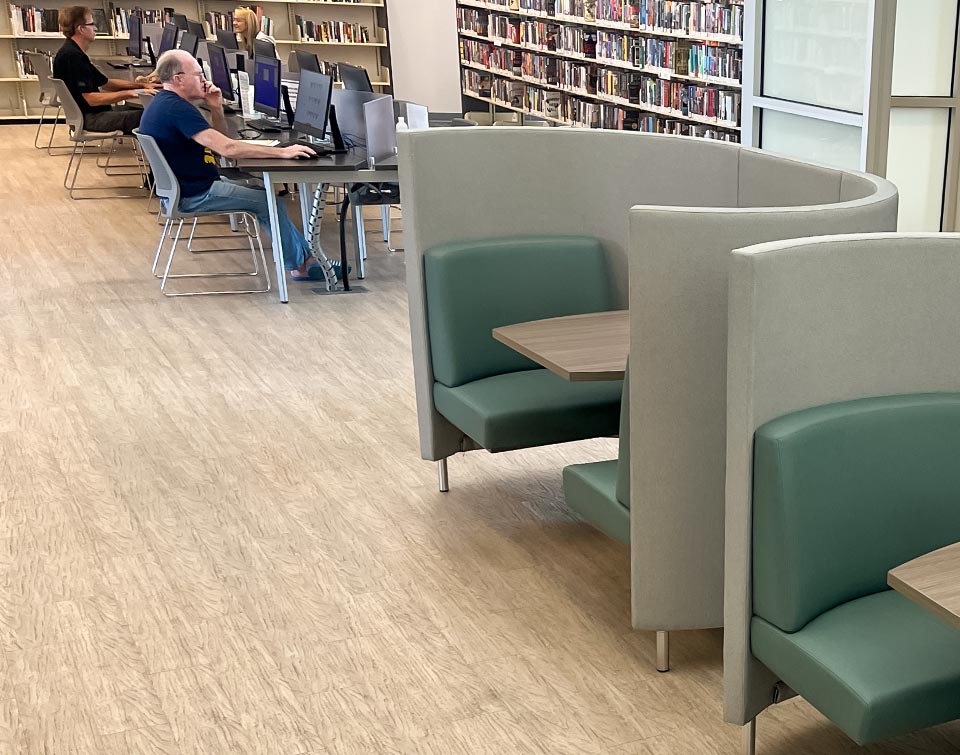
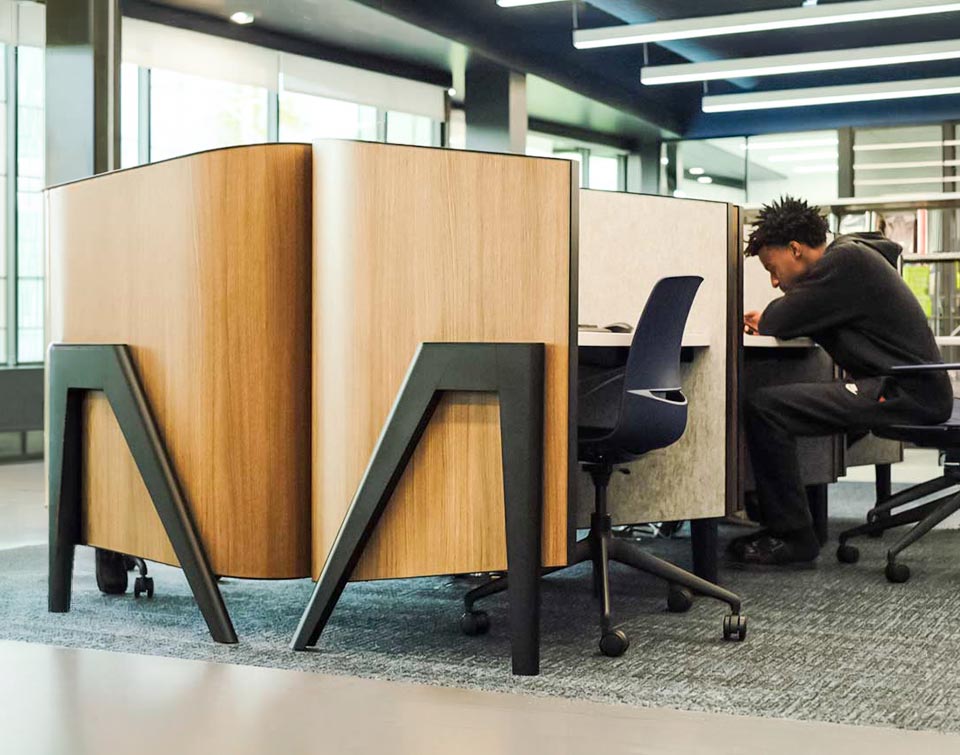
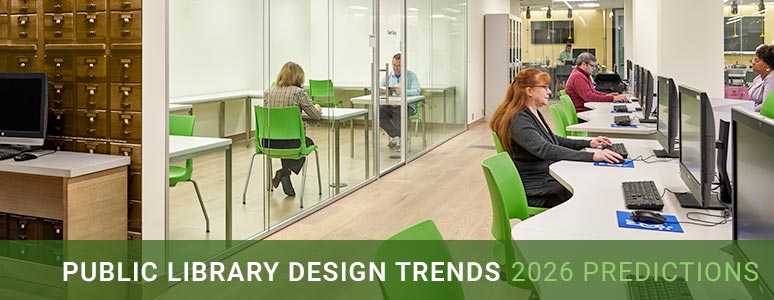
- Adult spaces built for focused work
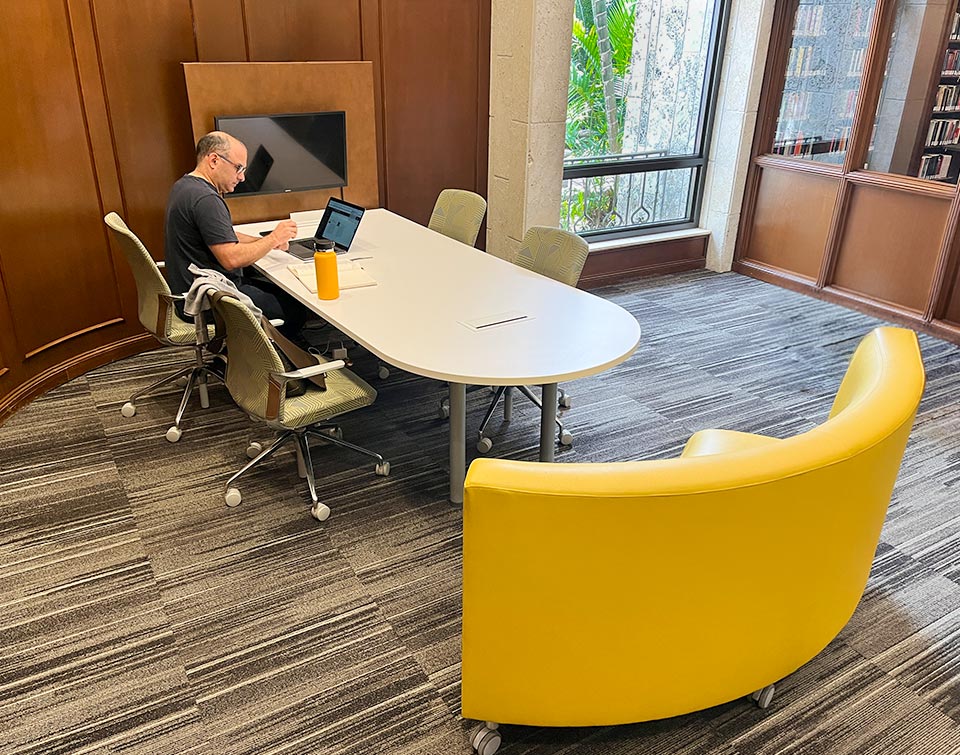
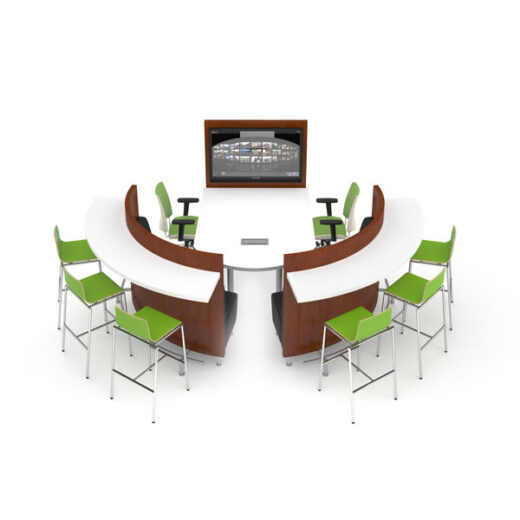
- Meeting rooms that flex for community use
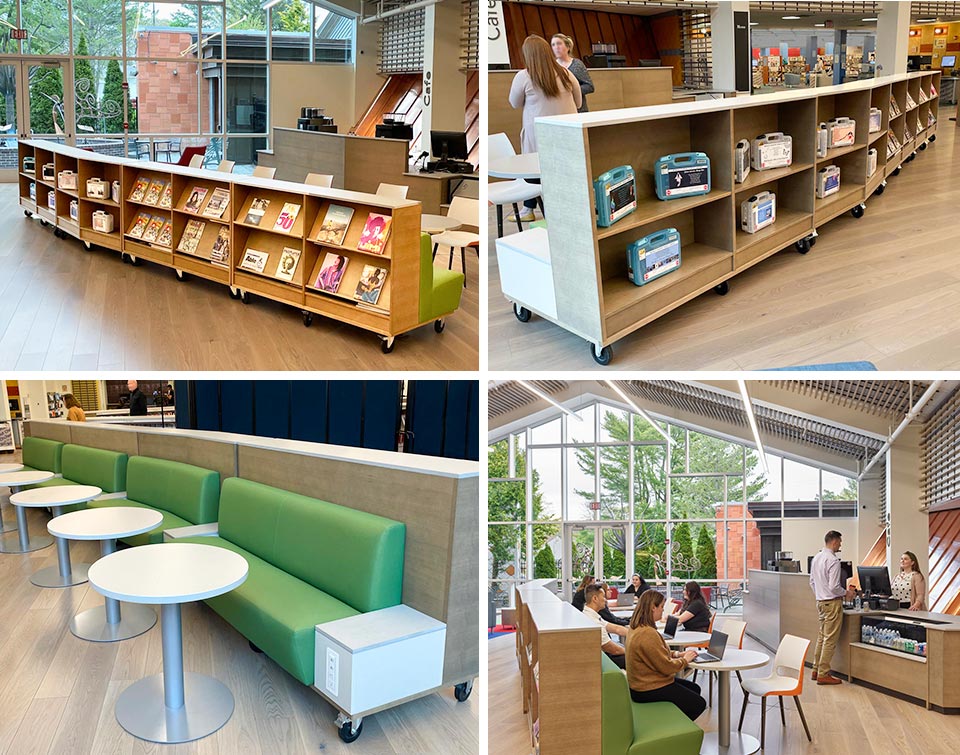
- Multi-function spaces that shift through the day
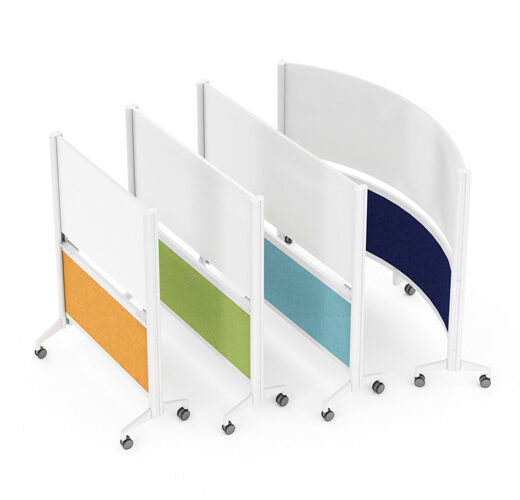
- Individualized products that are easy to rearrange